Helping your child reach their full potential

Developmental Disabilities: How to Help a Child with Them

My Child has Developmental Disabilities, What can I do to be proactive in their life?

Just because your child has a developmental disability does not mean that you won’t be able to connect with them. In truth, they will need you more to help advocate for them, help them reach their goals, and to navigate through daily routines. Get involved in their routines. If they are already in therapies, take part in them and practice throughout the week with your child. If your child does not yet receive any services, do research on what your child specifically needs help with to overcome their developmental disability. Libraries and the internet are full of great ideas. There are also often support groups within the community for all kinds of developmental disabilities. It can often be helpful to hear other parents’ suggestions.
Helping your child reach their full potential

Here is a list of specific resources you might need to help your child reach their full potential:

  • Library
  • Support Group
  • Developmental Pediatrician
  • Therapies
  • Internet
  • Other Doctors
  • Medical Supply facility
  • Your local schools

Don’t worry you can do this. Just take one step at a time and know that each child is different.
neurological differences

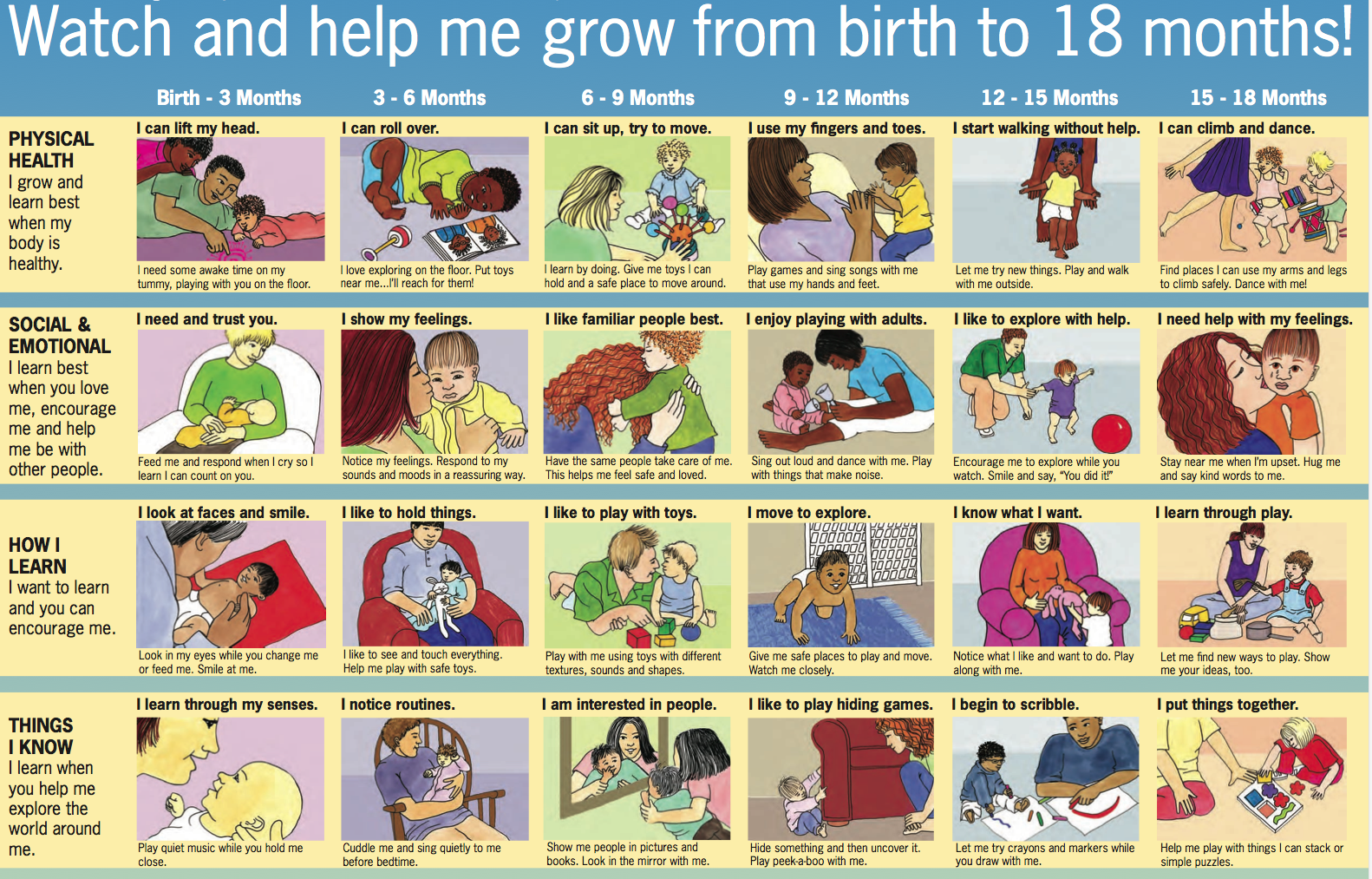
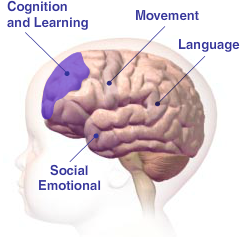
Baby Brain Development: A Map to Learning

Here’s a fun Interactive Site that let’s you truly explore baby brain development. It gives you questions, answers, and what to do to help your child reach there full potential. It looks like a great resource! Have fun exploring and learning to help your child grow!

Baby Brain Development

The Brain Map was adapted in 2006 by ZERO TO THREE from BrainWonders, a collaborative project (1998-2001) between Boston University School of Medicine, Erikson Institute and ZERO TO THREE http://www.zerotothree.org/child-development/brain-development/baby-brain-map.html

phonological awareness

Reading Books with Kids: Phonological Awareness

So the common knowledge is that it is important to read with your kids is important, but what are the specifics. How long should you be reading books with your kids? At what age should you start? What are they learning?

Kids are like sponges. Absorbing everything they are surrounded by, so the real question is what do you what them to absorb and what do you want them to achieve. If you would like them to have a bright education ahead of them, literacy is a key component.

phonological awareness

The magic number seems to be 20. 20 minutes a day reading books with your kids can lead to a love of language, imagination, and stories. This can start from the time they’re in your belly but should be in place by 1-2 years old. Kids can learn so much by sharing this intimate time with you reviewing their favorite subjects. Books come on all subject manners, so if your child loves cars, animals, or sesame street, there is a book for them. They can be read in spurts throughout the day or simply at night before they go to bed. As in all parenting concepts, the best way to include things is make them work for you.

Before the age of 5, reading books with your child’s greatest impact in the world of reading is phonological awareness. This means the child can hear and play with the sounds within a word. Hearing the sounds and playing with those sounds can lead to sounding out words for writing and sounding out words to begin reading. If your child’s delayed in reading and writing, then continued practice of reading/listening to stories can help them to accomplish there goals.

Some simple tasks to increase phonological awareness are:

  • Sing Songs: Songs are easy for kids to follow along with, keep there interest, and have learning built in
  • Say Nursery Rhymes: or find rhymes that work for you and interest your child
  • Play Word games: from “What starts with B?” to “what starts with the same letter as ball?” to “what rhymes with ball?”