intellectual disability

Intellectual Disability: Smoothing the Adulthood Transition

Parents face many decisions when their child with an intellectual disability reaches adulthood. The social and ethical decisions that the parents of these children must make is monumental. Even the society in which we live must pay attention to the care that these individuals receive throughout their life. Before a child with an intellectual disability can become a successful adult, those around them need to stop, step back, and make honest decisions about the future. Of course hoping for the best for an individual with an intellectual disability and continuing to push all individuals farther is ideal, but there also needs to be a realistic perspective of the situation.

intellectual disability

Here are some things to consider in helping their child with an intellectual disability find success in adulthood:

1) Is the child is ready?

2) Do they have the skills to take on the responsibility of adulthood?

3) Where will they live? How much support will they need in this environment?

4) Will they work? If so, where?

5) How will they receive the support necessary to live a fulfilling and safe adulthood?

These questions may lead the parent to feeling overly protective and/or all alone. As a teacher and friend, it is important to provide support for families as they go through this transition. If you are a professional, it is also important to give a realistic evaluation of the child and direct the family to the appropriate services. Throughout the transition for childhood to adulthood, it is important to work as a team to find the best solutions and strategies to support the individual with the intellectual disability to find success in adulthood.

Articles Related to ‘Intellectual Disability: Smoothing the Adulthood Transition’

Transition to Adulthood: How to Ease the Transition and Plan Ahead
Intellectual Disability: Welcome to Adulthood

Intellectual Disability and the Adulthood Transition

free learning websites

Learning Websites for Kids: 10 Free Online Websites for Children

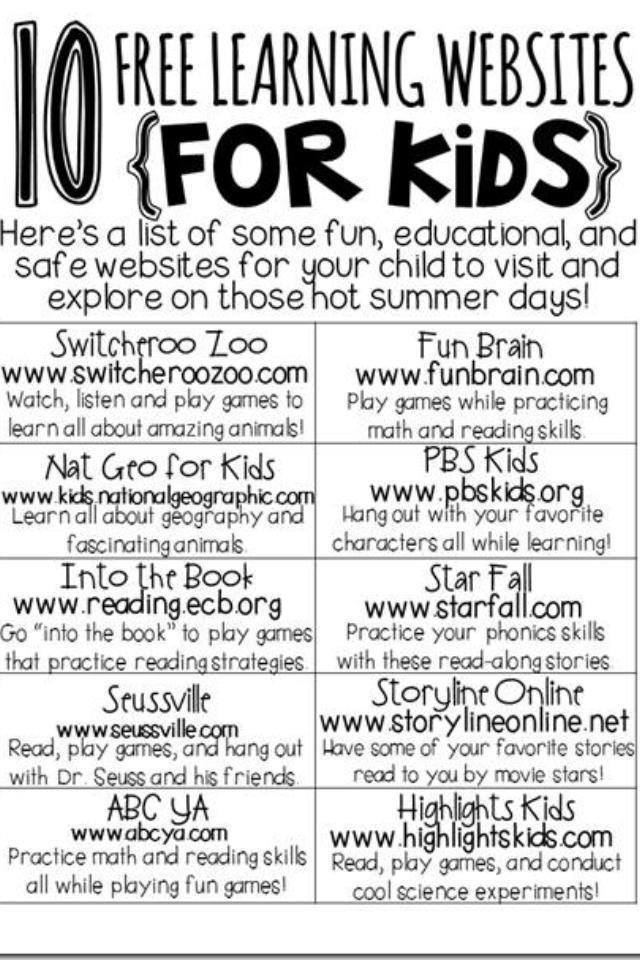
In the digital age, there are so many wonderful resources available for kids. I came across this great resource lately. It includes 10 free learning websites for kids. So although you may be limiting the amount of time your children spend in front of the screen, when they are using your computer, they can be learning at the same time. Learning is best when it is fun! Even when I was teaching in the classroom, I found that children did best when we made games out of their curriculum. It keeps them engaged while striving to reach their educational goals (because they’d want to win, and there’s nothing like a personal challenge to keep things interesting!) So while you are having fun with your children this summer exploring the wonderful world around them and seeing all the things that they can’t quite get while they are in school, keep them engaged in learning and retaining their past curriculum with some online fun. The includes some of our favorites, like: PBS and Starfall, but also some new ones worth checking out.

If you know of more great learning websites for children, please share them 🙂

free learning websites


Related Articles to ‘Learning Websites for Kids: 10 Free Online Websites for Children’

Homework Help: Bridging the Gap from School to Home

School Ready: 5 Key Steps to Help Your Child Succeed

multiple disabilities

Overcoming Multiple Disabilities: Making the Impossible Possible

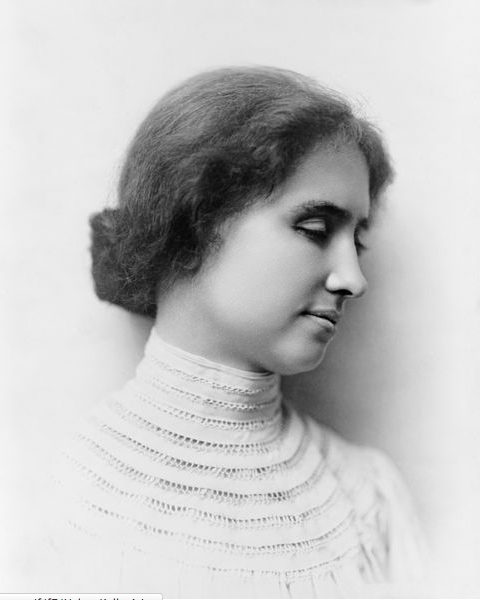
When presented with multiple disabilities, it can seem a rough road to living a full and fulfilling life. We have many to thank who have forged the road in front of us for making a difference in how to better service everyone. As individual’s with multiple disabilities or as the loved ones of those with multiple disabilities, we know the importance of good therapy and reaching goals. Helen Keller was an individual who forged through the unknown and what seemed like the impossible. As a person who was deaf and blind, she graduated college, world traveler, outspoken, and an author. Her story and courage are examples of therapy that helped an individual with multiple disabilities to blossom into more than many individual’s even thought possible.

Articles Related to ‘Overcoming Multiple Disabilities: Making the Impossible Possible’

Special Education Infographic for the United States

How Thinking has Changed in Understanding of Students with Disabilities

Educating Special Needs Children: How to Truly Help

multiple disabilities

ADHD Attention Deficit Disorder

ADHD: Fact, Fiction, and What Can Help

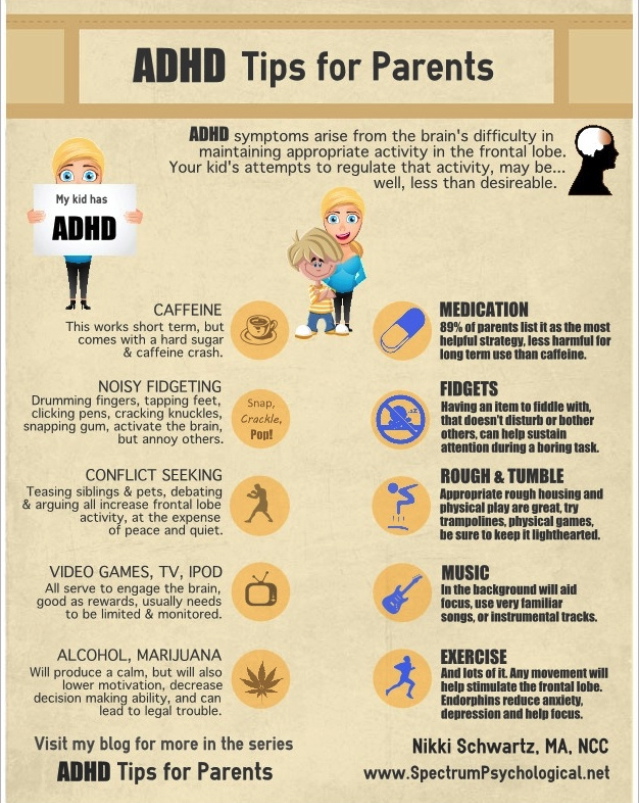
When your child is diagnosed with ADHD, so many questions can arise. Here are some facts to help you understand Attention Deficit Hyperactivity Disorder better:

Where to Get Help:

  • Ask your doctor
  • See a Developmental Pediatrician
  • Talk to your child’s school psychologist

Signs of ADHD:

  • Be easily distracted, miss details, forget things, and frequently switch from one activity to another
  • Have difficulty maintaining focus on one task
  • Become bored with a task after only a few minutes, unless doing something enjoyable
  • Have difficulty focusing attention on organizing and completing a task or learning something new
  • Trouble completing or turning in homework assignments, often losing things (e.g., pencils, toys, assignments) needed to complete tasks or activities
  • Not seem to listen when spoken to
  • Daydream, become easily confused, and move slowly
  • Have difficulty processing information as quickly and accurately as others
  • Struggle to follow instructions
  • Fidget and squirm in their seats
  • Talk nonstop
  • Dash around, touching or playing with anything and everything in sight
  • Have trouble sitting still during dinner, school, and story time
  • Be constantly in motion
  • Have difficulty doing quiet tasks or activities
  • Seem impatient
  • Blurt out inappropriate comments, show their emotions without restraint, and act without regard for consequences
  • Have difficulty waiting for things they want or waiting their turns in games

ADHD is:

  • A Neurobehavioral Disorder
  • Syptoms often present before age seven
  • Often Characterized by lack of focus, impulsiveness, and sometimes hyperactivity
  • Believed to effect 3-5% of children globally with 2-16% diagnosed
  • Diagnosed 2-4 x’s more in boys
  • It is normally tested on rating scales

ADHD is NOT:

  • Although it can be associated with other disorders, it does not mean your child has one of these disorders
  • Mean your child will go down a bad path in life
  • A life-long sentence. Only 30-50% of those with it continue having issues with it into adulthood.

Some Things to Help:

ADHD Attention Deficit Disorder

Articles Related to ‘ADHD: Fact, Fiction, and What Can Help’

ADHD and ADD: How to Help a Child Effected

Aspects of Behavioral Disorders

Qualifying for Special Education: What to Know