Found this adorable Quote from the Special Olympics and had to share…
Related Articles to ‘Down Syndrome Quotes: Designer Genes’
Down Syndrome: Learning the Power within Disabilities
International Down Syndrome Day
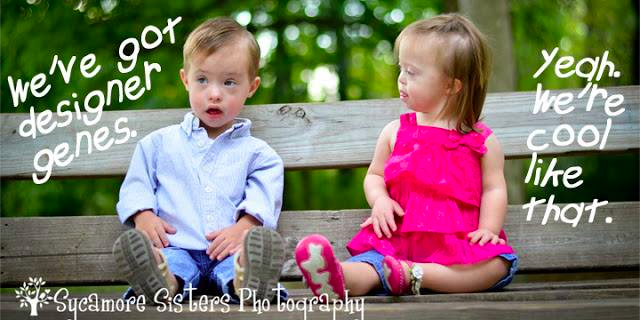
Found this adorable Quote from the Special Olympics and had to share…
Down Syndrome: Learning the Power within Disabilities
International Down Syndrome Day
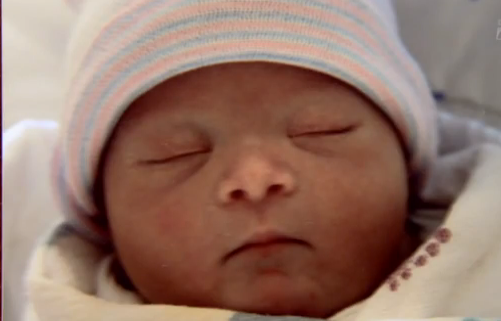
Here’s a story of a man who found a new version of himself when he had a daughter with down syndrome. Although he admits, he originally wanted an abortion when he found out. He now knows his life has changed for the better with his blessed little girl. Something we can all relate too. Judging too quickly or making rash decisions cannot always lead us down the right path. Thankfully they had the little girl, so he could learn a very important lesson. Enjoy!
Down Syndrome: A Bio by the Father of a Child Effected

I ran across this awesome article last week on how to help get a smarter baby.
Really It’s just ideas on how to help stimulate their brains and get them motivated to learn. Some of the great ideas on getting your baby stimulated include simple ideas like:
Stick out your tongue. Studies show that newborns as young as 2 days old can imitate simple facial movements — it’s a sign of very early problem solving.
Sing a song. Learn as many tunes as you can, or make up your own verses (“This is the way we change your diaper, change your diaper, change your diaper . . . “). Play Bach, the Beatles, or Britney Spears. Some research suggests that learning the rhythms of music is linked to learning math.
Make the most of diaper time. Use moments on the changing pad to teach body parts or pieces of clothing. Narrate to help your baby learn to anticipate routines.
Be a playground. Lie down on the floor, and let your baby climb and crawl all over you. It’s cheaper than a jungle gym and lots more fun! You’ll help boost her coordination and problem-solving skills.
Go shopping. When you need a break from your song and dance, visit the supermarket. The faces, sounds, and colors there provide perfect baby entertainment.
Pick it up. Even if it seems like your baby repeatedly drops toys off her high chair just to drive you nuts, go fetch. She’s learning and testing the laws of gravity. Give her several pieces of wadded-up paper or some tennis balls, put an open bucket under her seat, and let her take aim!
Grab a tissue or two. If your baby loves pulling tissues out of the box, let him! For a few cents, you’ve got sensory playthings that he can crumple or smooth out. Hide small toys under them, and thrill your tot when you “find” them again.
Read books. Again and again! Scientists have found that babies as young as 8 months can learn to recognize the sequence of words in a story when it’s read 2 or 3 times in a row — this is believed to help them learn language.
Make a family album. Include photographs of relatives near and far, and flip through it often to build your child’s memories. When Grandma calls, show him her picture as he listens on the phone.
Play in the rain. Jump in puddles. Sit in wet grass together. It’s a fun, albeit messy, way of learning about wet and dry.
The great thing is you probably are already doing a lot of these things…so it just reinforces what a great parent you are. It might also give you some new inspiration!
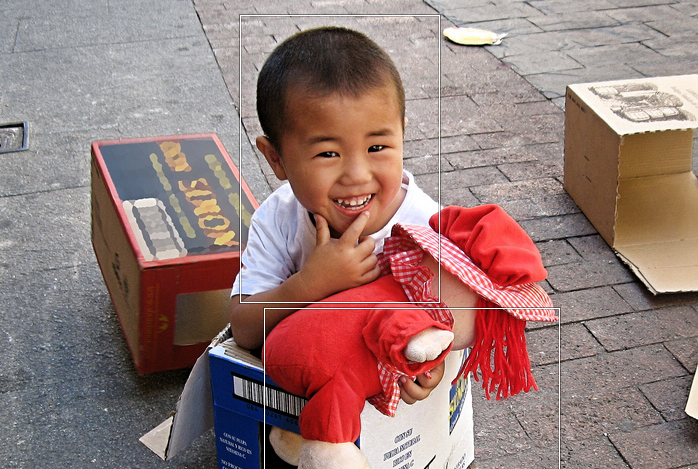
Helping a shy child can seem challenging. As I know from experience, shy children seem to be born and not raised. The question is how to get your child to overcome their shyness in order to grow into a responsive, social individual. Shyness can get in the way of many aspects of life: making friends, showing manors, being responsive, and general communication. If your child is struggling, here are some ideas to help them find their voice.
If your child was not shy before and seems to be going into some sort of shyness, it might be related to some other stress in their life. Has something recently changed? Is their an illness? Have you moved? Is their arguing in the house? Any sort of stress to a child can cause a wide range of effects. The best idea for children in this situation is talk to them, help them through it, and if possible try to not involve them in the stress. As soon as the child feels back at ease, they should return to their non-shy self. If you have further concern, please talk to a doctor about your child.
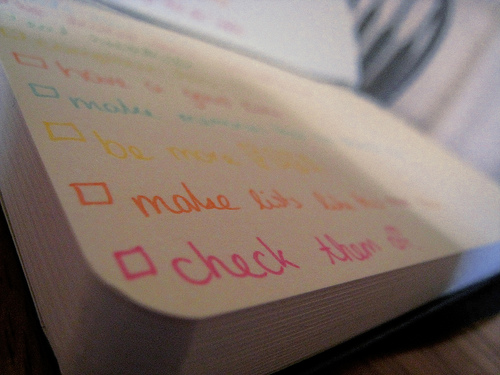
Teacher Created Skills Checklists have many purposes. In a classroom, assessments are used to measure a students strengths and/or weakness. They can help a teacher pinpoint what a student needs to learn next and what skills they have already accomplished. As a parent, the same strategy can be used. Here are some ways to use skill checklists:
There are many ways to carry out teacher created skills checklists, like:
The data collected from skills checklists is used to identify areas of weakness a student may have. In order to determine progress over a certain period of time, the teacher will continue to collect data based on observation and re assess throughout the school year on an individual basis. For educational interventions, students may need accommodations in order to be successful on the Teacher Created Skills Checklist. So think about:
Educating Special Needs Children: How to Truly Help
Behavior and Cognitive Interventions: Finding the Best Solution